
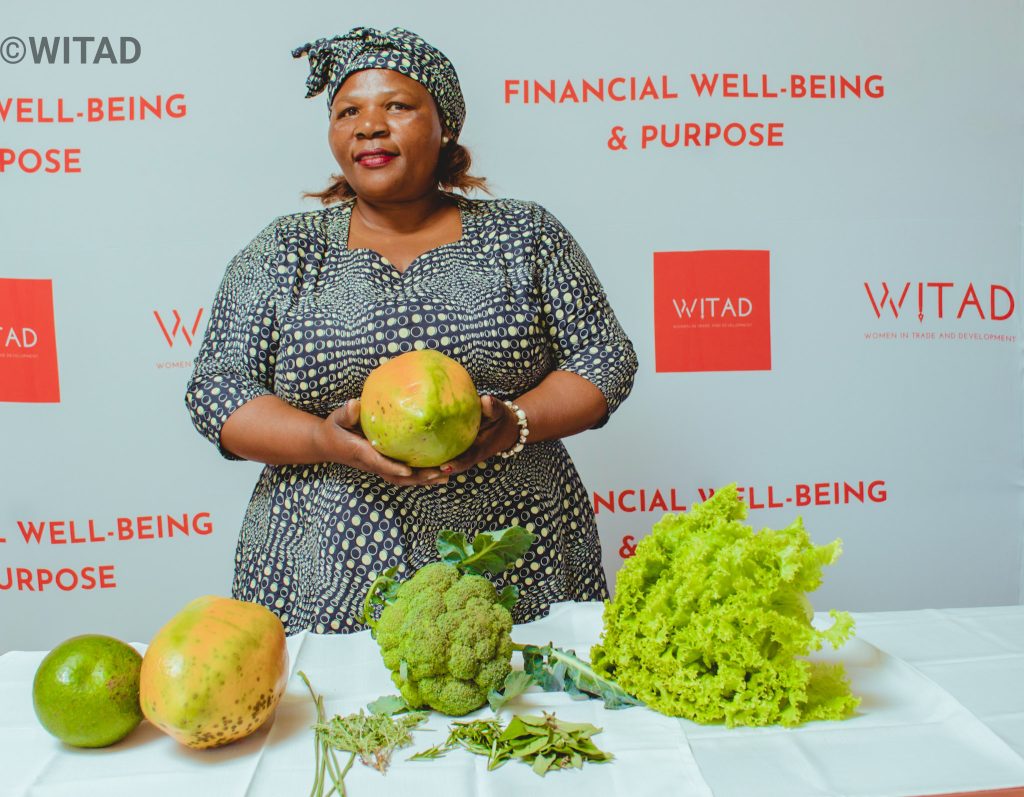
From Survival to Sovereignty: The Mkhabelas’ Organic Revolution
In the fertile hills of the Luyengweni Chiefdom, a quiet revolution is taking root. For Peter and Khanyisile Mkhabela, what began in 2010 as a conventional struggle against rising input costs and erratic weather has blossomed into a beacon of sustainable agribusiness.
Their journey from near-collapse to a profitable enterprise is more than just a personal success story; it is a masterclass in strategic pivoting and a testament to the power of targeted support for women in agriculture.
When Conventional Methods Hit a Wall
For over a decade, the Mkhabelas cultivated their land using traditional methods. Like countless smallholder farmers across Eswatini, they found themselves on a financial treadmill. The rising costs of synthetic fertilizers and seeds, combined with pest outbreaks and unpredictable rains, saw their profits dwindle year after year.
By 2020, their farming business was barely surviving, with input costs consistently outpacing revenue. This critical juncture forced them to seek a more resilient and economically viable model.
The WITAD Turning Point
The breakthrough arrived in 2022 when Khanyisile participated in WITAD’s Export Readiness for Gender-Sensitive Trade Programme. This strategic intervention was designed to dismantle the non-technical barriers that systematically exclude smallholders—particularly women—from high-value markets.
Through WITAD, Khanyisile gained the crucial knowledge to:
-
Navigate international safety standards.
-
Master professional packaging.
-
Implement precise labeling aligned with Global G.A.P. practices.
This empowered her to reposition their produce from mere commodities to branded, quality-assured products ready for broader, more lucrative markets.
Creating a Closed-Loop System
Armed with new knowledge, the Mkhabelas strategically integrated their existing small dairy enterprise with their crop production. They transformed manure from their cattle into rich compost and liquid organic fertilizers, creating a virtuous cycle that now defines their operation.
This closed-loop system achieved incredible results:
-
Slashed reliance on expensive external inputs by 28%.
-
Healed the soil and significantly boosted crop yields.
-
Expanded their farm from a 0.3-hectare test plot to a full hectare of organic production.
Today, they proudly supply over 70 households and three community markets, with aims to supply institutional buyers like schools and hospitals.
From Cultivators to CEOs
Agricultural success is as much about finance as it is about fertility. In 2025, through a Climate-Smart Agriculture Training, WITAD provided continued support to help Peter and Khanyisile hone their financial literacy.
They learned to track expenses, prepare budgets, and interpret financial statements—skills that transformed them from cultivators into true CEOs. This financial discipline directly translated into:
-
A 32% increase in gross profits.
-
A 30% rise in their quarterly household income.
Sowing Seeds for Future Generations
The Mkhabelas’ vision now extends far beyond their own fence line. While their short-term goals include fully certifying their 1.5-hectare farm and expanding their customer base, their long-term ambition reveals their true strategic legacy. They plan to mentor at least 50 young farmers and establish a cooperative network for women in Lobamba Lomdzala.
“Farming success does not require large amounts of capital at the start. Growing gradually, learning along the way, and working collectively are key. Strength lies in collaboration.” > — Khanyisile Mkhabela
A Blueprint for Transformation
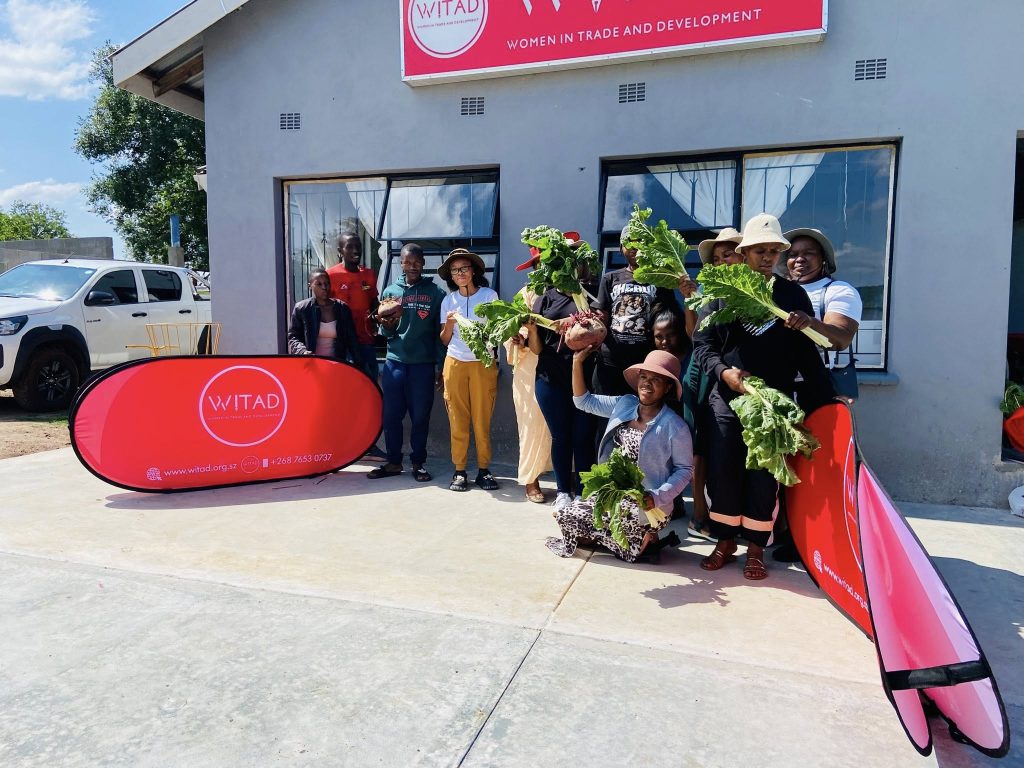
Khanyisile’s journey illustrates that with strategic thinking and the right institutional support, smallholder farming can be a powerful engine for economic growth and environmental regeneration. Through its targeted, holistic programmes, WITAD has not just nurtured a single business to profitability; it has helped cultivate a leader whose success is now sowing the seeds for a more resilient and equitable agricultural future in Eswatini.
Leave a Reply